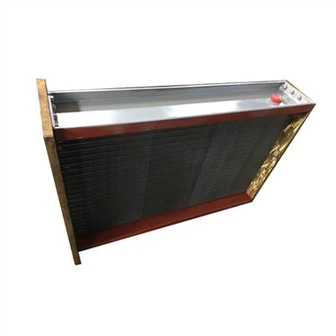
बायोगैस जनरेटर सेट रेडिएटर (सामान्य ड्राई कूलर / उच्च - और निम्न - तापमान वाली हवा - ठंडी)
बायोगैसजेनरेटर सेट रेडिएटर(आम तौर पर सूखे-प्रकार के एयर कूलर / अलग-अलग उच्च- और कम तापमान वाले ठंडा करने वाले)
बायोगैस अत्यधिक आर्द्र, संक्षारक होती है और इसमें कई अशुद्धियाँ होती हैं। इसलिए, रेडिएटर डिज़ाइन संक्षारण प्रतिरोध, रुकावट की रोकथाम और उच्च - और निम्न - तापमान शीतलन को अलग करने को प्राथमिकता देते हैं। इंजीनियरिंग अभ्यास में, शुष्क - प्रकार के एयर कूलर लगभग विशेष रूप से उपयोग किए जाते हैं, और जल कूलिंग टावरों का उपयोग नहीं किया जाता है।
दक्षता और दीर्घायु सुनिश्चित करने के लिए, बायोगैस इंजन आम तौर पर दो स्वतंत्र शीतलन प्रणालियों का उपयोग करते हैं:
उच्च-तापमान सर्किट (एचटी)
शीतलन: सिलेंडर लाइनर पानी, इंजन ब्लॉक
तापमान: 85-95 डिग्री
कार्य: इंजन को ज़्यादा गरम होने से रोकता है और स्थिर तापीय दक्षता बनाए रखता है
निम्न-तापमान सर्किट (एलटी)
कूलिंग: इंटरकूल्ड एयर, इंजन ऑयल, बायोगैस प्रीहीटर
तापमान: 55-70 डिग्री
कार्य: सेवन वायु तापमान को कम करता है, इंजन तेल की सुरक्षा करता है, और वायु {{0}ईंधन अनुपात को स्थिर करता है
प्रत्येक सर्किट एक समर्पित हीट एक्सचेंजर से सुसज्जित है, जिसे सामूहिक रूप से उच्च - और निम्न {{1} तापमान वाले ड्राई कूलर के रूप में जाना जाता है।
पारंपरिक डीजल/प्राकृतिक गैस इंजनों में रेडिएटर्स से अंतर
उन्नत संक्षारण प्रतिरोध
बायोगैस में H₂S और जल वाष्प होते हैं, जो अत्यधिक संक्षारक होते हैं; फिन और पाइपिंग संक्षारण प्रतिरोधी होना चाहिए।
साफ़ करने में आसान
बायोगैस में कई अशुद्धियाँ होती हैं, और कूलिंग फिन के बंद होने का खतरा होता है; डिज़ाइन में पानी धोने और हवा उड़ाने की सुविधा होनी चाहिए।
सख्त तापमान नियंत्रण
बायोगैस कैलोरी मान में काफी उतार-चढ़ाव होता है; निम्न तापमान सर्किट में अस्थिर तापमान सीधे बिजली उत्पादन और निकास तापमान को प्रभावित करता है।
शीतकालीन फ्रीज संरक्षण
एथिलीन ग्लाइकोल एंटीफ्ीज़ का उपयोग आमतौर पर ठंड के कारण पाइप फटने को रोकने के लिए किया जाता है।